
Units 12, 13, 14, and 15: Sound, Light, and waves
- Colum
- Dec 22, 2023
- 1 min read
There are two types of waves: Transverse and Longitudinal.

Sound waves
are longitudinal waves
are caused by vibrations in a medium
consist of compressions and rarefactions
need a medium to travel through (cannot travel through a vacuum)
between 330 and 350m/s in air
1500m/s in liquid
3000-5000m/s in solids
greater the amplitude, louder the sound
greater the frequency, higher the pitch
humans can hear between 20Hz to 20,000Hz
Ultrasound (higher than 20,000 Hz) is used in medical scans and depth calculations
Infrasound(lower than 20) is used by elephants and whales to communicate
Ok, I'm gonna be real here. reflection, refraction, lenses, images, and all that stuff are my least favourite parts. I'm gonna re-direct you to my good friend here who can explain this better than I can: https://www.savemyexams.com/igcse/physics/cie/23/revision-notes/3-waves/3-2-light/3-2-1-reflection-of-light/
Read from 3.2.1 to 3.2.9.
Here are some properties of waves:
Waves transfer energy without transferring matter
Wave speed (m/s) = frequency (hz) * wavelength (m)
frequency = 1/period
waves diffract when they pass through a gap or around an obstacle
Diffraction is greatest when the width of the gap = wavelength
waves do not diffract when gap is smaller than wavelength
Now, onto the electromagnetic spectrum, which are all transverse waves.

and their uses:
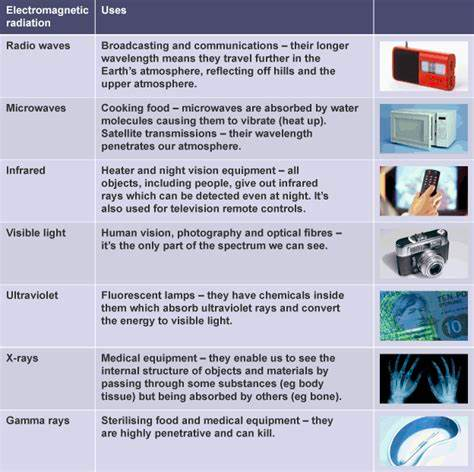
They all travel at the speed of light: which is 3*10^8 m/s.
high frequency/high energy EM waves such as x-rays and gamma rays can be dangerous (can damage cells and cause mutations)
Waves are converted to binary by an analogue to digital converter.

Digital signals transmit data more accurately and faster.
That's it for now. It is important to note that I have omitted certain details to make this as concise and helpful as possible. If there is something I have not covered here, please leave a comment on the forums.


Comments